

Preserving local biodiversity
Restoring native hedgerows and sowing wildflower meadows creates vital rewilding zones for declining pollinators in private rural and urban gardens.

Renewable power integration
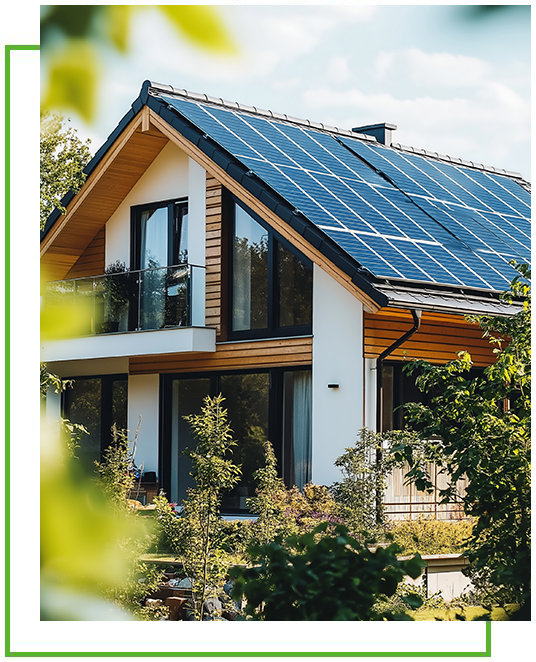
Installing solar photovoltaic panels with battery storage systems allow residents to maximize self-consumption even during overcast British afternoons.

Thermal efficiency upgrades
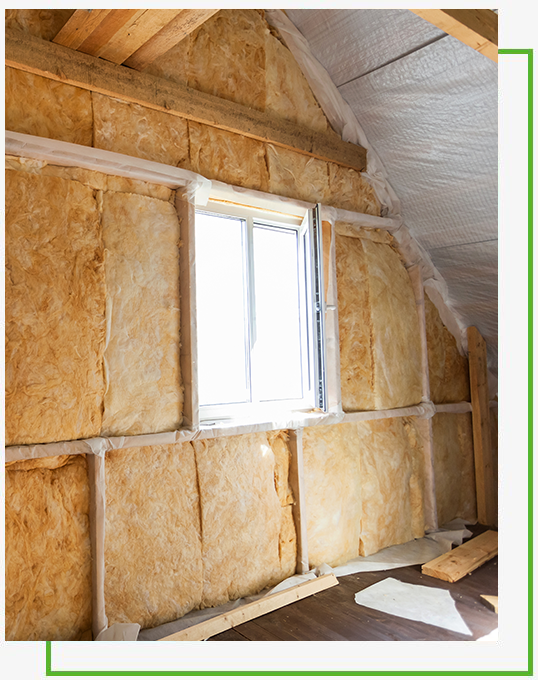
Modern solid wall insulation techniques effectively combat heat loss in traditional masonry, ensuring thermal comfort year-round.

Household resource efficiency
Smart water metering and circular waste reduction practices help minimize environmental impact while reducing monthly utility costs.
Green tech driving the circular economy
Innovation drives the materials sector, introducing bio-sourced composites and low-carbon aggregates into mainstream construction. Beyond structure, IoT home automation systems learn resident behaviors to optimize heating schedules. This synergy between low-impact materials and intelligent software creates a responsive habitat that actively minimizes embodied carbon, conserves water through greywater recycling, and adapts to seasonal conditions.
Biodiversity and nature
Cultivating resilient spaces for wildlife and wellbeing
Gardens serve as crucial green corridors connecting fragmented habitats. Adopting peat-free practices and planting diverse flora transforms outdoor spaces into thriving ecosystems that support UK fauna while providing a serene wellness retreat for residents.

Rainwater harvesting systems
Collecting precipitation from rooftops reduces demand on metered mains water supplies during hosepipe bans.
Composting organic waste
Transforming kitchen scraps and garden trimmings into nutrient-rich mulch conditioner improves allotment fertility naturally.
Native pollinator-friendly planting
Prioritizing drought-resistant perennials and pollinators encourages biodiversity and strengthens the garden’s resilience against UK climate shifts.
Embracing a greener future for generations
Adopting a sustainable lifestyle involves a holistic approach, linking energy efficiency, biodiversity protection, and conscious consumption. Whether through major structural retrofits or daily habits like recycling, every action contributes to Net Zero goals. By valuing resources and respecting the surrounding environment, communities build a resilient foundation. This collective effort ensures that homes remain comfortable sanctuaries while actively protecting the planet for future stewardship.